HVAC and duct mold removal in Chattanooga runs $1,000–$4,000. Two causes dominate: cold supply lines sweating in humid crawl or attic air, and return-side leaks pulling unconditioned air into the system, where it condenses on the coil and is distributed house-wide.
Why direction matters more than size, what gets cleaned versus replaced, and how to find a return leak yourself.
Supply leaks cost money, return leaks move air
Ductwork leaks in both directions, and the two do very different things. On the supply side, a leak pushes conditioned air out into a crawl space or attic. That is a bill problem. On the return side, a leak pulls air in from wherever the duct runs — and then the system distributes that air to every room in the house.
In this metro, that return path frequently runs through a crawl space cut into a hillside, where the uphill end is damp. A leaking return in that space is effectively a fan connecting the wettest part of your house to the bedrooms. It explains the common and confusing situation where a musty smell appears in rooms that have nothing wrong with them.

Where the moisture comes from
| Source | What you notice | Response |
|---|---|---|
| Return leak in a damp crawl | Smell in multiple rooms at once, worst when the system runs | Seal the return, then clean the system |
| Sweating supply lines | Damp or fallen duct insulation, drips in the crawl | Repair insulation, and dry the space |
| Coil and drain pan | Musty smell strongest at startup | Clean components, confirm the drain is clear |
| Duct boots at floor registers | Staining around the register itself | Seal the boot to the floor, clean locally |
| System ran during a water event | Smell appeared after a flood or leak | Full system assessment before running it again |
| Attic ducts in winter | Related attic condensation | Air sealing plus duct repair together |
Finding a return leak yourself
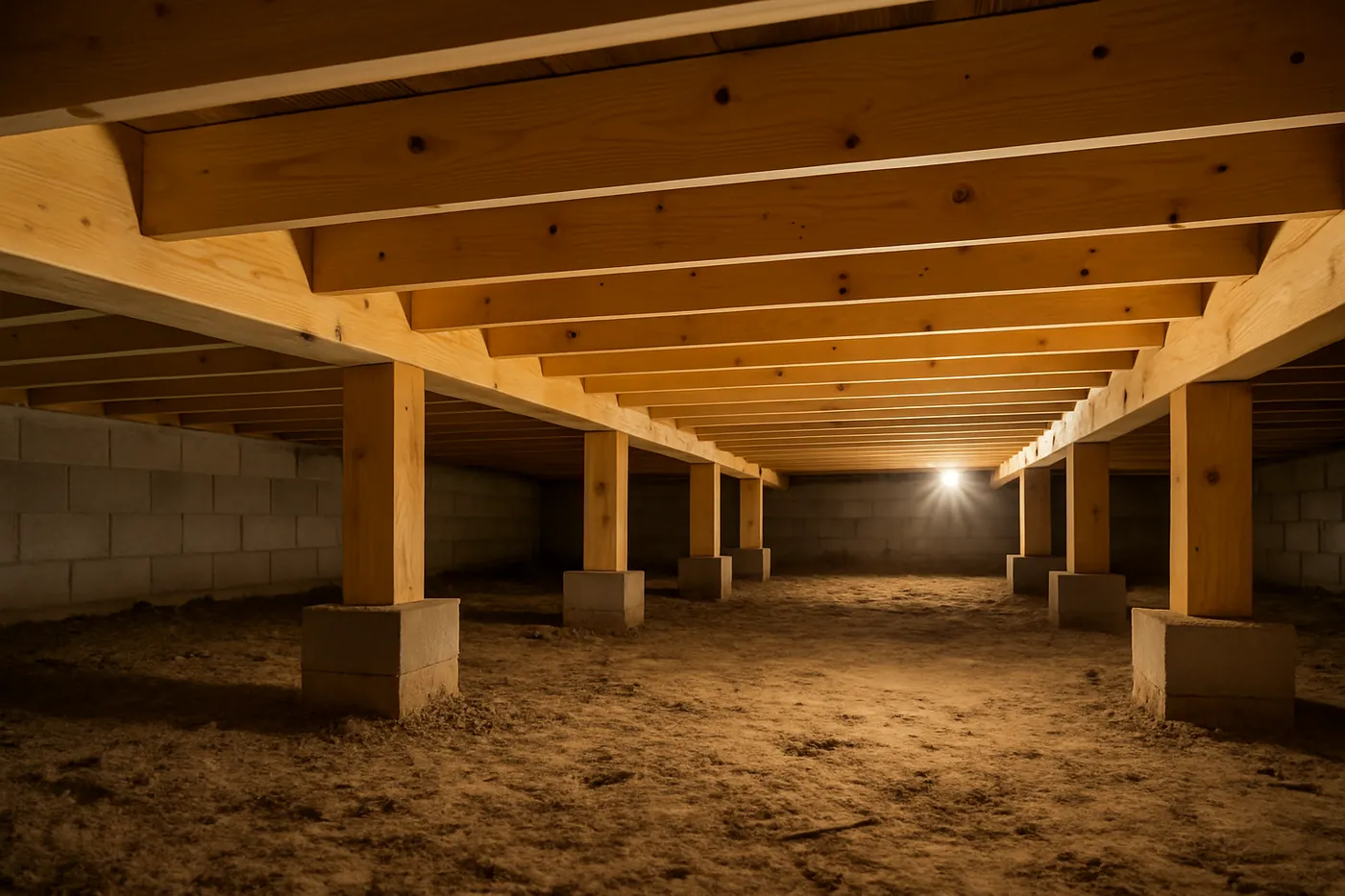
Turn the system on and go into the crawl space or attic where the return duct runs. At joints, at the plenum, and where the duct meets the air handler, hold a hand near the seams — on the return side you will feel air being drawn in rather than blown out. Loose tape, separated joints, and a plenum that was never sealed to the framing are the common findings.
Anything you find there is worth reporting when you call, because it changes both the diagnosis and what the specialist brings. It is also frequently the cheapest meaningful item on the whole scope.
Clean or replace
Rigid metal duct cleans well and generally should be cleaned rather than replaced. Flexible duct with a contaminated interior liner is a different question: the liner is porous, cleaning it reliably is difficult, and replacement is often both cheaper and more honest than a cleaning that will not fully succeed.
A good specialist tells you which type you have, prices both paths where both are viable, and does not treat duct replacement as the default outcome of a duct inspection. Everything is listed in the cost guide.
What homeowners ask about duct systems
What does HVAC and duct mold removal cost in Chattanooga?
Duct-system cleanup runs $1,000-$4,000 depending on system size, how much of the run is affected, and whether components like the coil and blower need attention. Sealing the leaks that caused it is usually a modest additional line and is the part that prevents a repeat.
How does mold get into ductwork?
Two ways here. Cold supply lines running through a humid crawl or attic sweat, wetting their own insulation. And leaks on the return side pull unconditioned air - crawl space air, attic air - into the system, where it condenses on the coil and gets distributed. The return-side version is the one that affects the whole house.
Why does a return leak matter more than a supply leak?
Because of direction. A supply leak loses conditioned air into an unconditioned space, which costs money. A return leak pulls unconditioned air into the system and delivers it to every room, so one damp crawl space becomes an air quality issue in bedrooms with nothing visibly wrong in them.
Is duct cleaning worth it?
As a standalone service, often not. As part of correcting a documented problem - visible growth on components, a return pulling from a damp space, a system that ran during a water event - it is appropriate and worth doing properly. Routine cleaning of a clean system with no moisture problem changes little.
Should the ductwork be replaced instead?
Sometimes. Flex duct with contaminated interior lining is often more sensibly replaced than cleaned, because the liner is porous and cleaning it reliably is difficult. Rigid metal duct cleans well. A good specialist says which you have and prices both options rather than defaulting to the larger one.
Get a Chattanooga mold inspection
Tell us what you are seeing or smelling — dark spots on a cold exterior wall, a musty smell in one room, condensation on a window frame that never dries, staining in a closet on the north side. A good visit includes surface temperature readings and a trip under the house. A local specialist who serves Chattanooga will call you back.