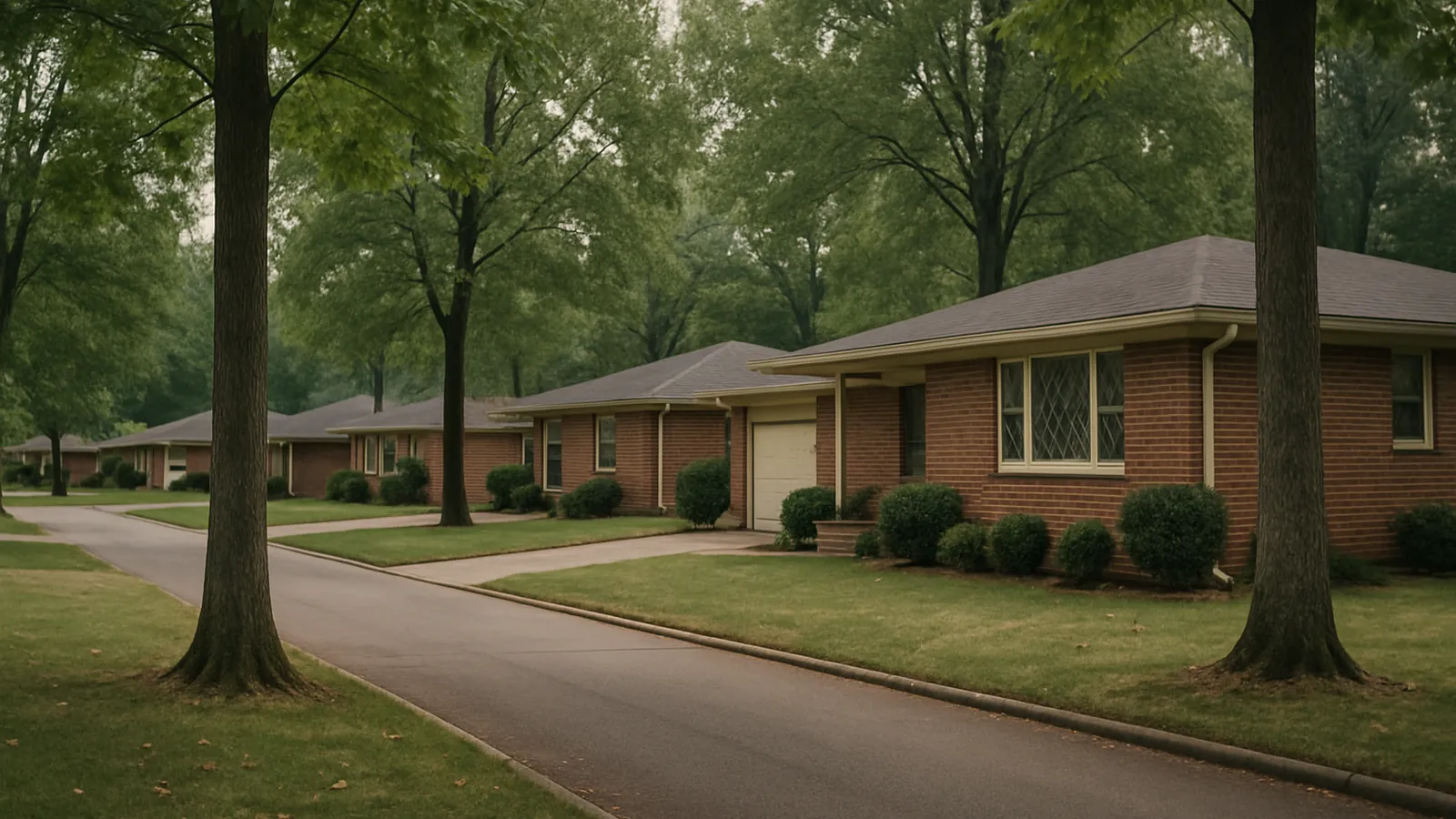
Mold removal in Chattanooga costs $1,500–$6,000 for most remediation and $6,000–$15,000 whole-home. Work is done under containment with HEPA filtration to IICRC S520, and the scope names the water source — here that is often a cold surface rather than a leak.
What makes this valley different, how a scope is built, and the one line in a proposal that predicts whether the problem returns.
The air here settles and stays
Chattanooga sits in a river valley between ridges, and that geometry does something specific to the air: cool air sinks into the valley overnight and does not readily clear. It is the same behavior that made the city’s mid-century air pollution notorious, and it applies to moisture exactly as it applied to smoke. Humid air that arrives here tends to stay a while.
For a homeowner, the consequence is that surfaces dry slowly. A wall that got damp in most markets has a few dry hours to recover. Here it may not get them for days. That is why the relevant measurement on an inspection is not how much it rained — it is how close a given surface sits to the dew point of the air touching it.
Your mold season probably starts in January
This metro collects about 54 inches of rain in a normal year, putting it near the top of the state — and unlike most of the South it arrives mainly in winter and spring. That inverts the usual assumption. Homeowners associate mold with August, but the growth found in spring frequently established in February, on a cold exterior wall or an unheated closet ceiling where indoor humidity met a cold surface.
Summer then sustains it. So the pattern here is establish in the cold, persist in the heat — which is why a February inspection is worth more than most people expect, and why removal done without a plan for next winter tends to be temporary.
How a remediation scope is built
| Stage | What happens | Why it matters |
|---|---|---|
| Assessment | Surface temperature, dew point, moisture content, and the extent of growth | Establishes both the size of the job and what kept the surface wet |
| Containment | Sheeting, sealed openings, negative air with HEPA filtration | Keeps spores from being redistributed through the rest of the house |
| Removal | Colonized porous material out; hard surfaces cleaned | Drywall and insulation do not clean reliably — growth goes into them |
| Drying | Materials brought to a documented moisture content | Rebuilding over damp framing restarts the problem inside a finished wall |
| Moisture correction | The reason the surface was wet, priced separately | This is the line that decides whether you do this again |
| Verification | Post-work readings you keep | Gives you something checkable instead of an assurance |
The line to look for in any proposal
Read every bid for a sentence naming the water source. A proposal that says “remove and treat affected drywall in the north bedroom” describes labor. A proposal that says “growth on the north wall is condensation-driven; wall surface measured below dew point during the inspection” describes a diagnosis.
Only the second one tells you what happens next winter. If a bid does not contain that sentence, ask for it before comparing prices — it is the difference between a company that removed mold and a company that understood it. Ask for it in writing, and compare prices against the cost guide.
Where it usually starts in this metro
- North-facing exterior walls that stay cold and get little sun
- Closets on outside walls where air does not circulate and the surface runs colder
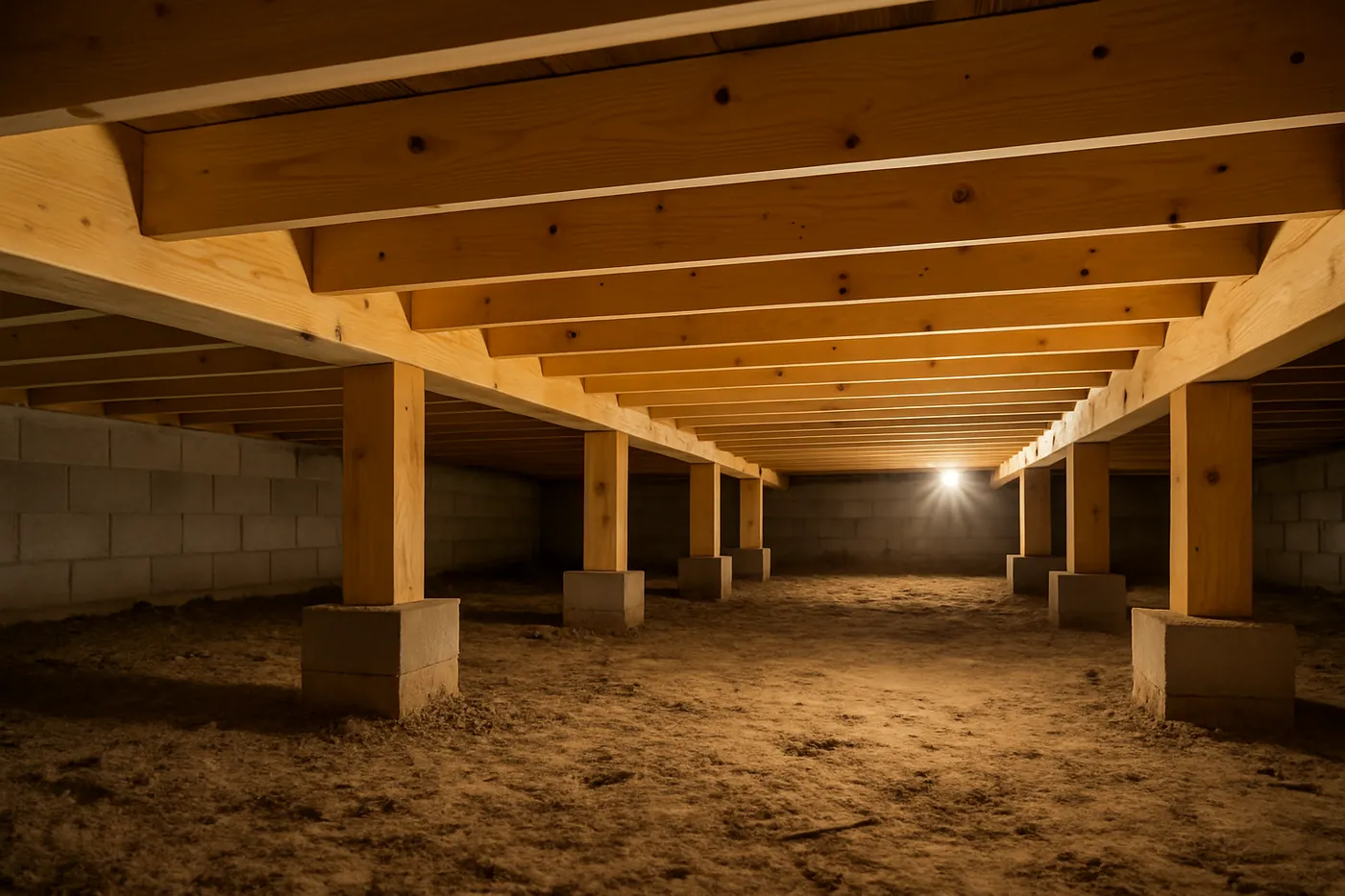
- The uphill side of a hillside crawl space, which is below grade
- Attic sheathing above a bathroom fan or a leaky ceiling penetration
- Rooms that get closed off in winter and drop below the dew point of the rest of the house
- Around supply registers and duct boots in unconditioned space
What homeowners ask about remediation
What does mold removal cost in Chattanooga?
Most remediation runs $1,500-$6,000, with whole-home or structural jobs $6,000-$15,000. Size of the affected area drives the number, but so does what has to change to keep it from returning - a scope that removes growth without addressing the moisture source is priced low because it is only half a job.
Why does mold keep coming back after removal?
Because the surface is still getting wet. Removal is the visible half; the durable half is identifying why that particular surface stayed damp. In this valley the answer is frequently that the surface runs colder than the air around it and condensation forms there repeatedly, which no amount of cleaning changes.
Which written standard should the work follow?
IICRC S520, which is the reference practitioners in this trade work to. Neither Tennessee nor Georgia licenses mold work specifically, so the standard a company names - and whether it will put that name in the scope - is the closest thing to a credential you can check before hiring.
Should the affected material be cleaned or removed?
Porous material that has been colonized comes out. Drywall, insulation, carpet pad, and ceiling tile do not reliably clean, because growth extends into the material rather than sitting on it. Non-porous and semi-porous surfaces - framing, concrete, metal, finished wood - are cleaned and dried in place.
How long does remediation take?
Two to five days for a typical job: containment and negative air on day one, removal and cleaning through the middle, then drying and clearance. Larger or structural jobs run longer. The moisture correction that prevents recurrence sometimes extends past the remediation itself, and the scope says so.
Get a Chattanooga mold inspection
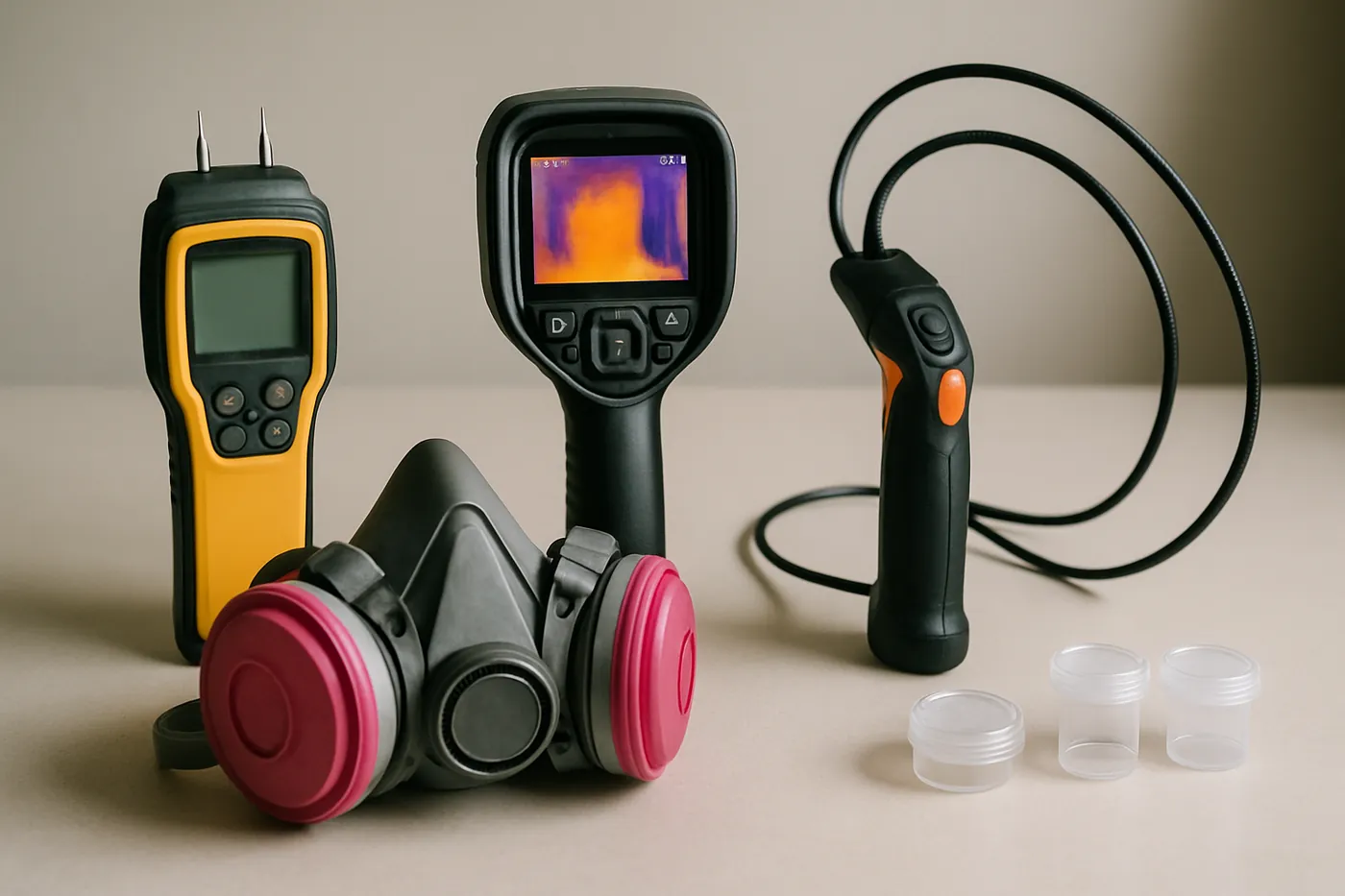
Tell us what you are seeing or smelling — dark spots on a cold exterior wall, a musty smell in one room, condensation on a window frame that never dries, staining in a closet on the north side. A good visit includes surface temperature readings and a trip under the house. A local specialist who serves Chattanooga will call you back.